
Turf Assessments & Soil Analysis
Better Decisions Begin Beneath the Surface
The condition of a playing surface is only part of the story.
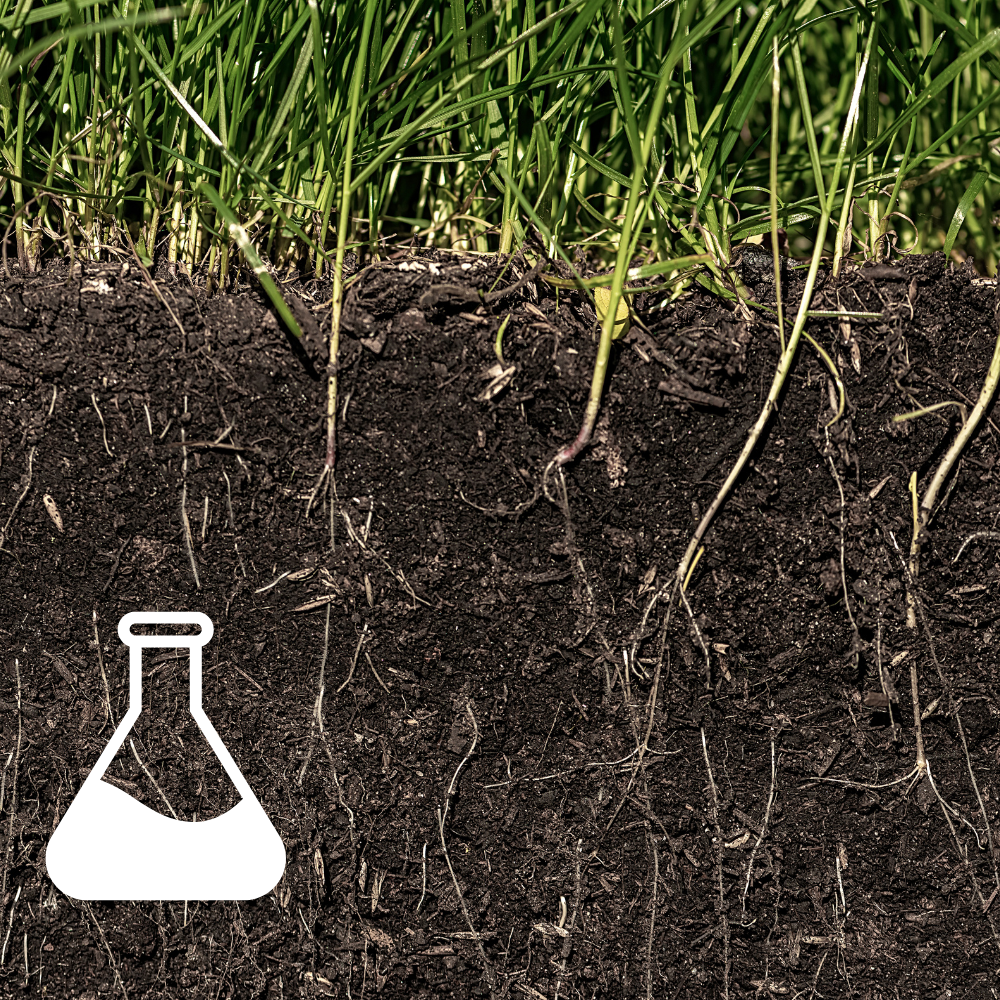
What lies beneath the turf has a far greater influence on surface performance than many people realise. Soil structure, organic matter, nutrient availability, moisture movement and root development all play a vital role in determining how turf performs throughout the year.
When problems appear above ground, the cause is often hidden below it.
At Norris Consultancy, our turf assessments and soil analysis services help golf clubs, racecourses and sports facilities understand the true condition of their playing surfaces, allowing maintenance decisions to be based on evidence rather than assumptions.
The result is better turf performance, more efficient maintenance programmes and greater confidence when investing in the future of your facility.
Why Soil Analysis Matters
Every decision you make about fertiliser, irrigation, aeration or renovation depends on understanding the condition of your soil.
Without accurate information, maintenance becomes reactive.
You may apply nutrients that aren’t needed, increase irrigation without addressing drainage, or carry out renovation work that fails to solve the underlying problem.
Professional soil analysis removes that uncertainty.
It provides a clear picture of what’s happening beneath the surface, allowing maintenance strategies to be tailored to the actual needs of the turf rather than relying on guesswork.
Whether you’re responsible for championship golf greens, a busy rugby pitch or a racecourse preparing for the season ahead, informed decisions always produce better long-term results.
Looking Beyond the Symptoms
One of the biggest misconceptions in turf management is that visible symptoms always reveal the underlying problem. Yellowing turf may not indicate a nutrient deficiency.
Poor rooting may not be caused by a lack of water. Slow greens may have little to do with mowing height. Surface issues are often the result of several interacting factors, including:
- Soil structure
- Organic matter accumulation
- Rootzone composition
- Compaction
- Moisture movement
- Drainage performance
- Nutrient balance
- pH levels
- Seasonal stress
By taking a holistic view of the site, we can identify the root causes rather than simply treating the symptoms.
What Our Turf Assessments Include
Every facility is different, so our assessments are tailored to the objectives of each client.
Depending on the site and the challenges involved, assessments may include:
Soil Sampling
Collecting representative samples from key playing areas for laboratory analysis.
Rootzone Evaluation
Understanding how the rootzone influences drainage, moisture retention and root development.
Soil Chemistry
Assessing pH, nutrient availability, cation exchange capacity (CEC) and other factors affecting turf growth.
Organic Matter Analysis
Monitoring organic matter accumulation to support effective aeration and long-term surface performance.
Soil Structure
Evaluating soil composition, layering and compaction that may restrict drainage or root development.
Moisture Assessment
Reviewing how water moves through the soil profile to improve irrigation efficiency and reduce stress.
Turning Data into Practical Decisions
Collecting data is only the first step.
Understanding what it means—and how to act on it—is where real value is created.
Every assessment is translated into practical recommendations that support better decision-making.
- Adjusting fertiliser programmes
- Improving irrigation efficiency
- Refining aeration schedules
- Planning topdressing programmes
- Prioritising drainage improvements
- Managing organic matter
- Supporting healthier root development
- Improving surface consistency
Rather than providing complex technical reports filled with jargon, our aim is to deliver practical guidance that can be confidently implemented by course managers and grounds teams.
Trevor's Insight
“One of the most valuable outcomes of soil testing isn’t finding problems—it’s confirming that you’re already making the right decisions. Good information gives you confidence as well as direction.”
When Should Soil Testing Be Carried Out?
Regular assessment forms an important part of any proactive maintenance programme.
We commonly recommend testing:
- Before major renovation projects
- Following construction work
- During long-term maintenance reviews
- Prior to changing fertiliser programmes
- When drainage performance changes
- If turf quality declines without obvious explanation
- As part of annual performance monitoring
Routine testing helps identify gradual changes before they become costly problems.
Who Benefits from Turf Assessments?
Our assessment services support a wide range of facilities.
Golf Courses
Understanding greens, tees, fairways and practice areas to optimise playing quality and long-term turf health.
Racecourses
Supporting safe, consistent racing surfaces through improved moisture management and soil understanding.
Sports Pitches
Helping clubs manage wear, recovery and drainage across high-use natural grass surfaces
New Construction Projects
Providing independent assessments throughout construction and growing-in programmes.
- 30+ years of experience
- 200+ site visits completed
- Golf, Racing & Sports Facilities
- Ireland • UK • Europe
Why Choose Norris Consultancy?
At Norris Consultancy, soil analysis is never viewed as an isolated service.
It forms part of a wider understanding of how every element of the maintenance programme interacts.
Our recommendations combine:
- Scientific evidence
- Practical experience
- Independent advice
- Site-specific planning
- Long-term thinking
Every recommendation is focused on helping clients improve surface performance while making the most effective use of available resources.
Frequently Asked Questions
How often should a golf course carry out soil testing?
While every site is different, regular testing as part of an annual or biennial review helps track changes in soil condition and supports informed maintenance decisions.
Do you only test golf greens?
No. We assess greens, tees, fairways, sports pitches, racecourses and other natural turf areas depending on the client’s objectives.
Can soil testing reduce maintenance costs?
Yes. Accurate information helps prevent unnecessary applications of fertilisers and supports more targeted maintenance programmes, often improving efficiency over time.
Will I receive a written report?
Yes. Findings are presented in a clear, practical format, supported by recommendations that can be implemented as part of your maintenance programme.
Can you explain the results to our committee or management team?
Absolutely. We regularly present findings in a straightforward, understandable way to course managers, committees and stakeholders, helping everyone understand the reasoning behind recommended actions.
Build Better Turf from the Ground Up
Arrange a turf assessment with Norris Consultancy and discover how science-led analysis can support healthier turf, improved playability and better long-term performance.