
Racecourse Agronomy & Turf Consultancy
Supporting Safe, Consistent and High-Performing Racing Surfaces
A racecourse places exceptional demands on natural turf.
The surface must withstand concentrated traffic, recover between meetings and respond to changing weather conditions while maintaining consistency across the racing surface.
Behind every successful race meeting is careful planning, monitoring and management of the ground.
Norris Consultancy provides independent agronomic advice to racecourses and horse racing venues, helping ground teams understand the factors influencing turf performance and develop practical strategies for managing the surface throughout the year.
With almost three decades of experience across agronomy and sportsturf, Trevor Norris brings together scientific analysis and practical experience to support racecourses in achieving consistent, resilient turf.
Understanding the Racing Surface
No two racecourses are exactly alike.
Soil profile, drainage, grass composition, weather exposure, course construction and maintenance history all influence how a racing surface behaves.
A successful turf management strategy therefore begins with understanding the individual characteristics of the course.
Our assessments can consider:
- Soil type and structure
- Rootzone characteristics
- Grass species and sward composition
- Drainage performance
- Soil moisture
- Organic matter
- Nutrient availability
- Compaction
- Surface wear
- Recovery rates
- Seasonal conditions
his information helps ground teams understand what is happening beneath and within the turf and make more informed management decisions.
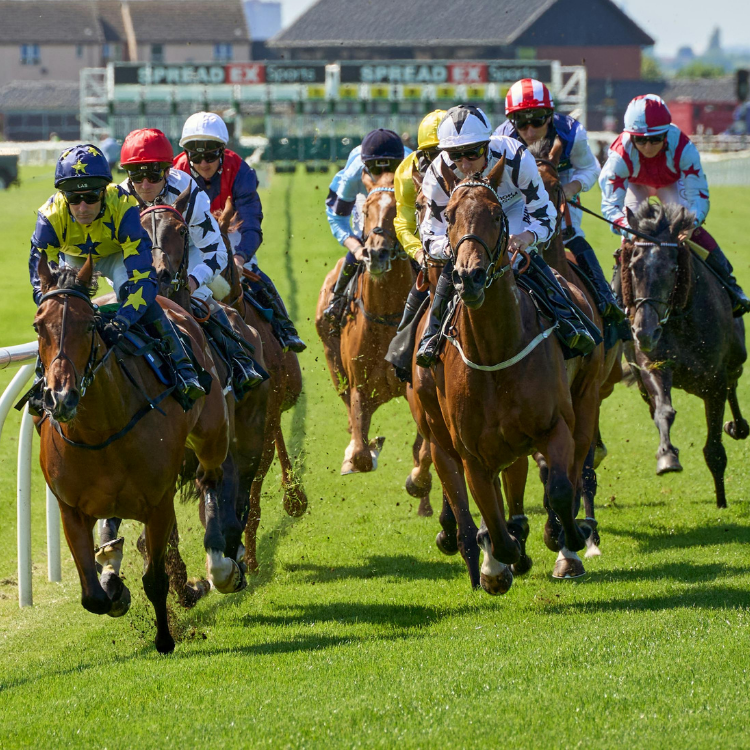
Managing Turf Under Pressure
Racecourses experience intense periods of use.
A single meeting can place significant physical pressure on the racing surface, particularly where weather conditions are challenging or meetings are scheduled close together.
Maintaining a resilient sward requires careful consideration of:
Wear Management
Understanding how repeated traffic affects turf density and surface performance.
Recovery
Planning maintenance and recovery periods to encourage healthy turf regeneration.
Moisture Management
Monitoring soil moisture and understanding how water moves through the soil profile.
Drainage
Identifying factors that may affect the removal of excess water from the racing surface
Root Development
Supporting strong rooting to improve turf resilience and recovery.
Seasonal Stress
Adapting maintenance strategies as temperature, rainfall and growing conditions change.
Soil & Rootzone Analysis
The performance of a racing surface starts beneath the grass.
Soil and rootzone conditions influence drainage, water availability, nutrient uptake, rooting and turf resilience.
Where appropriate, Norris Consultancy can use soil analysis and site assessment to investigate the condition of the growing medium and identify factors that may be influencing turf performance.
Laboratory data is not viewed in isolation.
It is considered alongside the physical condition of the surface, maintenance practices and the environmental conditions of the site.
The objective is simple:
Understand the problem before recommending the solution.
Drainage & Moisture Management
Water management is one of the most important considerations for racecourses.
Too much water can affect surface performance, while insufficient moisture can place turf under stress and reduce recovery.
Understanding how water moves through the soil profile allows management strategies to be developed around the actual characteristics of the site.
Our consultancy can support racecourses with:
- Drainage assessments
- Soil moisture evaluation
- Rootzone analysis
- Irrigation considerations
- Surface water management
- Drainage improvement planning
- Maintenance programme reviews
The aim is to help ground teams manage moisture more effectively while protecting the long-term health of the racing surface.
Preparing for Changing Weather Conditions
Weather variability presents one of the greatest challenges for modern racecourses.
Heavy rainfall, prolonged dry periods, temperature fluctuations and changing seasonal patterns can all influence turf performance.
While weather cannot be controlled, preparation can.
A well-planned agronomic strategy helps ground teams understand how the surface is likely to respond and identify measures that can improve resilience.
- Drainage capacity
- Soil moisture
- Root development
- Sward density
- Maintenance practices
- Recovery periods
- Seasonal renovation
Planning ahead provides greater flexibility when conditions change unexpectedly.
Supporting Racecourses Across the Year
Racecourse turf management isn’t simply about preparing for race day.
The condition of the surface is influenced by decisions made throughout the entire year.
Winter
Planning recovery, drainage and maintenance following periods of heavy use and challenging weather.
Spring
Supporting turf recovery and preparing the surface for increasing use.
Summer
Managing moisture, heat stress and wear during periods of high activity.
Autumn
Preparing the turf for winter conditions while addressing areas requiring renovation or improvement.
A year-round approach helps maintain stronger, more resilient turf rather than relying on short-term interventions before individual meetings.
Working With Ground Teams
Ground staff know their racing surface better than anyone.
Our role is to provide additional technical insight rather than replace that practical knowledge.
Trevor works collaboratively with ground teams to understand:
- What they are seeing on the surface
- What maintenance has already been undertaken
- How the course has responded to previous conditions
- Where persistent problems occur
- What resources are available
- What improvements the team would like to achieve
This combination of practical knowledge and independent agronomic assessment creates a stronger basis for decision-making.
Experience Across Horse Racing
Trevor’s experience extends beyond golf into the wider sportsturf sector, including work with leading Irish racing venues such as Listowel Races and Thurles Races.
Working across different sporting surfaces has provided valuable insight into how turf responds to intensive use, moisture variation, seasonal stress and demanding recovery periods.
That cross-sector experience can be particularly valuable when developing solutions to challenging turf problems.
Independent Advice for Golf Clubs
Racecourses make significant decisions about drainage, maintenance, renovation and infrastructure.
Independent consultancy provides an objective perspective when those decisions are being considered.
Norris Consultancy does not sell turf products, machinery or maintenance contracts.
The focus is on understanding the condition of the surface, identifying the factors affecting performance and providing practical recommendations that support the long-term interests of the venue.
Racecourse Improvement & Long-Term Planning
Some problems require more than a change to the maintenance programme.
Where infrastructure, drainage, soil profile or construction are contributing to ongoing performance issues, a longer-term strategy may be required.
Norris Consultancy can support racecourses with:
- Site assessments
- Soil and rootzone analysis
- Drainage planning
- Renovation strategies
- Maintenance programme reviews
- Project planning
- Contractor and project oversight
- Long-term surface improvement plans
This allows improvements to be prioritised according to their importance, practicality and available resources.
- 30+ years of experience
- 200+ site visits completed
- Golf, Racing & Sports Facilities
- Ireland • UK • Europe
Why Racecourses Choose Norris Consultancy
Experience
Almost three decades working across agronomy and sportsturf.
Scientific approach
Recommendations supported by evidence, analysis and current best practice.
Practical understanding
Advice developed with the realities of working sports surfaces in mind.
Independent perspective
No requirement to purchase products, equipment or maintenance services.
Cross-sector knowledge
Experience across golf, horse racing and other high-performance natural turf environments.
Long-term focus
Strategies designed to improve surface performance while protecting the underlying turf system.
Frequently Asked Questions
What does a racecourse agronomist do?
A racecourse agronomist provides specialist advice on soil, turf, drainage, moisture and growing conditions to help a venue manage and improve its racing surface.
Can you assess our racecourse soil?
Yes. Soil and rootzone assessment can be used to understand physical and chemical characteristics that may influence drainage, rooting and turf performance.
Can you help with racecourse drainage?
Yes. Drainage assessment and improvement planning can form part of a wider racecourse turf management strategy.
Do you work with existing ground staff?
Yes. Consultancy is designed to complement the knowledge and experience of the existing ground team.
Can you help with long-term racecourse improvement?
Yes. Strategic planning can identify priorities for maintenance, renovation, drainage and other infrastructure improvements over the short, medium and long term.
Do you work with racecourses outside Ireland?
Trevor’s experience extends across Ireland, the UK and mainland Europe, and consultancy can be tailored to the requirements and conditions of individual venues.
Stronger Turf for More Demanding Conditions
Talk to Trevor Norris about your racing surface and discover how independent racecourse consultancy can support better turf performance and long-term surface health.