
GAA Sportsturf & Pitch Consultancy
Helping GAA Clubs Build Stronger, More Resilient Playing Surfaces
GAA pitches have to withstand some of the most demanding conditions in natural sports turf.
Regular training,Competitive matches,Heavy winter use.
Intense wear in high-traffic areas,Changing weather.
And increasingly limited recovery time.
Maintaining a high-quality pitch isn’t simply about keeping the grass growing. It requires an understanding of the soil, drainage, turf composition, maintenance programme and demands being placed on the surface.
Norris Consultancy provides independent sportsturf and agronomic advice to GAA clubs and sporting facilities looking to improve pitch performance, address persistent problems and develop practical long-term maintenance strategies.
Every GAA Pitch Is Different
There is no single maintenance programme that works for every GAA ground.
A pitch in a heavy clay soil will behave very differently from one built on a free-draining sandy profile.
Likewise, a heavily used club pitch has different requirements from a county ground hosting major fixtures.
Our approach begins with understanding the individual site.
This can include consideration of:
- Soil type
- Soil structure
- Rootzone characteristics
- Grass species
- Drainage
- Moisture levels
- Compaction
- Organic matter
- Nutrient availability
- Wear patterns
- Recovery capacity
- Maintenance history
- Playing and training schedules
Understanding these factors allows recommendations to be tailored to the actual needs of the pitch.
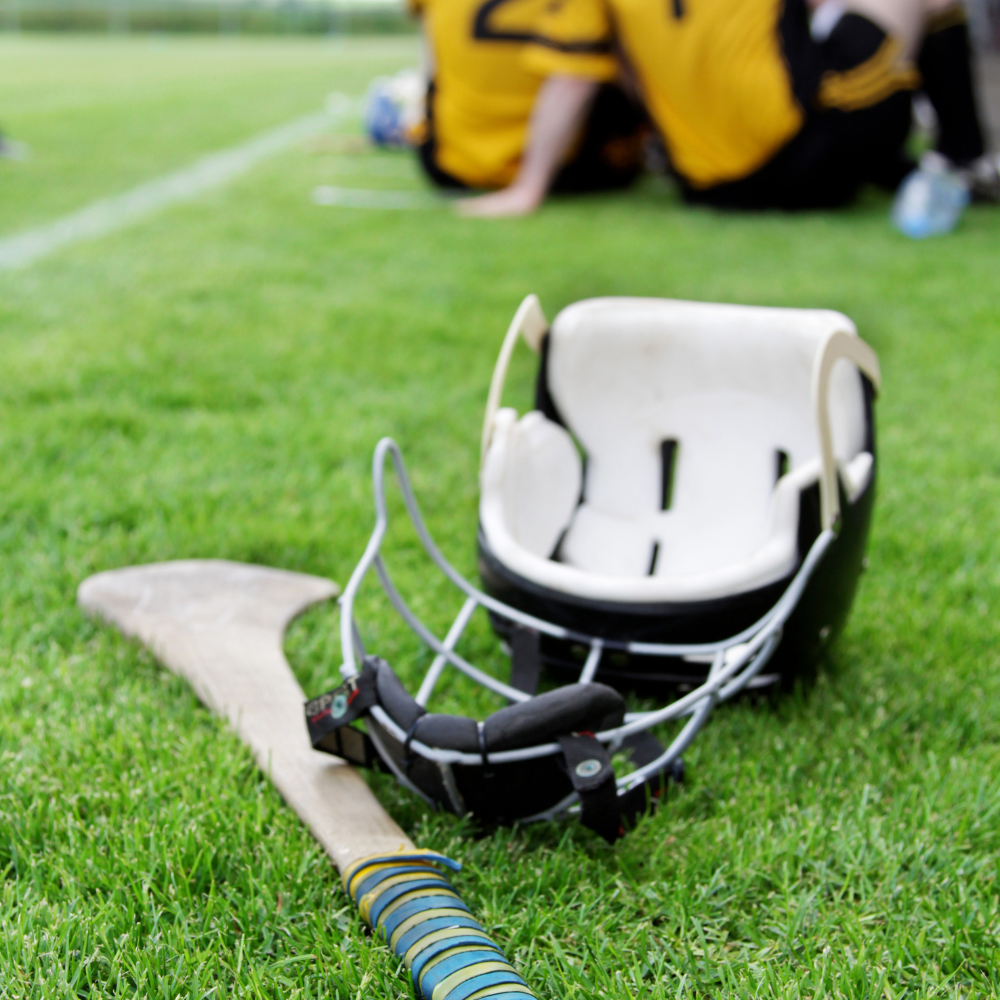
Managing the Demands of GAA
GAA pitches are often expected to accommodate a demanding combination of training and competitive use.
That creates a constant balance between surface performance and turf recovery.
A successful maintenance strategy considers:
Wear Management
Identifying areas experiencing concentrated traffic and developing strategies to maintain turf density.
Recovery
Supporting the turf's ability to recover between matches and training sessions.
Drainage
Helping the pitch cope with rainfall and reducing the impact of prolonged wet conditions.
Soil Structure
Identifying compaction or other physical limitations that may restrict rooting and drainage.
Nutrition
Supporting healthy turf growth through appropriate nutrient management based on the requirements of the site.
Seasonal Stress
Adapting maintenance strategies as growing conditions change throughout the year.
GAA Pitch Drainage & Moisture Management
For many GAA clubs, drainage is one of the biggest challenges facing the playing surface.
Poor drainage can result in:
- Waterlogging
- Reduced playing capacity
- Surface damage
- Compaction
- Poor rooting
- Slow recovery
- Increased wear
However, simply installing more drainage isn’t always the answer.
Before recommending major investment, it is important to understand how water is moving through the existing soil and what factors are contributing to the problem.
Norris Consultancy can assess soil and rootzone conditions and help clubs determine whether improvements to drainage, maintenance practices or water management are required.
Soil Analysis for GAA Pitches
However, simply installing more drainage isn’t always the answer.
Before recommending major investment, it is important to understand how water is moving through the existing soil and what factors are contributing to the problem.
Norris Consultancy can assess soil and rootzone conditions and help clubs determine whether improvements to drainage, maintenance practices or water management are required.
Improving Pitch Performance
A pitch doesn’t necessarily need a complete reconstruction to improve.
Sometimes relatively targeted changes to maintenance can make a significant difference.
Depending on the condition of the facility, recommendations may include:
- Reviewing mowing practices
- Improving aeration
- Adjusting nutrition
- Managing organic matter
- Improving moisture management
- Addressing compaction
- Reviewing renovation programmes
- Improving recovery periods
Where larger interventions are required, independent advice can help clubs establish priorities and plan investment realistically.
Supporting Clubs With Limited Resources
GAA clubs often operate with committed volunteers, finite budgets and competing demands.
That makes prioritisation particularly important.
Not every problem requires a major capital project.
An independent assessment can help clubs understand:
What needs to be fixed now?
What can be improved gradually?
Where will investment have the greatest impact?
What maintenance changes could improve performance without significant capital expenditure?
This approach helps clubs make the best possible use of the resources available to them.
Long-Term Pitch Improvement
The best pitches are developed over time.
Norris Consultancy can help clubs create longer-term strategies covering:
Maintenance
Developing structured programmes around mowing, aeration, nutrition and renovation.
Drainage
Identifying drainage priorities and potential improvement strategies.
Soil & Turf
Monitoring soil and turf performance to identify changes before they become significant problems.
Renovation
Planning renovation work around the club's playing and training schedule.
Working With Grounds Teams & Volunteers
A successful GAA pitch depends heavily on the people maintaining it.
That may include:
- Grounds staff
- Club volunteers
- Pitch committees
- Facility managers
- Contractors
Our role is to provide additional expertise while respecting the knowledge and experience already within the club.
Recommendations are explained clearly so that those responsible for the pitch understand not only what should be done, but why.
Supporting High-Performance GAA Venues
The demands on county grounds and major GAA venues can be considerably greater than those on a typical club pitch.
Frequent fixtures, intensive training schedules and high-profile matches place additional pressure on the surface.
The same principles of evidence-based turf management apply, but the level of planning and monitoring may need to increase accordingly.
Norris Consultancy can support facilities seeking to improve consistency, resilience and long-term performance across demanding natural grass environments.
Cross-Sport Sportsturf Experience
One of the advantages of working with a consultant who operates across multiple sports is the ability to transfer knowledge between different playing surfaces.
Lessons learned from golf, horse racing and other high-performance turf environments can provide useful perspectives when addressing challenges on GAA pitches.
Different sports create different demands.
But the fundamentals remain the same:
- Healthy soil
- Healthy roots
- Healthy turf
- Good planning
- 30+ years of experience
- 200+ site visits completed
- Golf, Racing & Sports Facilities
- Ireland • UK • Europe
Why GAA Clubs Choose Norris Consultancy
Independent
Advice is focused on the requirements of your facility rather than the sale of products or services.
Evidence-Based
Recommendations are supported by scientific assessment, current best practice and practical experience.
Practical
Advice is designed around the realities of your club, including available staff, resources and budget.
Experienced
Trevor brings almost three decades of experience across agronomy and sportsturf.
Long-Term
The objective isn’t simply to improve the pitch for the next match, but to build a more resilient playing surface for the future.
Frequently Asked Questions
Can you assess our GAA pitch?
Yes. Site inspections can assess the condition of the turf, soil, drainage and other factors influencing pitch performance.
Can you help with a waterlogged GAA pitch?
Yes. An assessment can help identify potential causes of poor drainage and determine whether maintenance changes or larger drainage improvements may be appropriate.
Do you provide soil testing?
Yes. Soil analysis can be incorporated where it will help identify the factors affecting turf health and performance.
Can you help a club plan a pitch renovation?
Yes. Renovation planning and project consultancy can form part of a wider long-term pitch improvement strategy.
Do you only work with large GAA grounds?
No. Consultancy can be tailored to clubs and facilities of different sizes and levels of use.
Can you work with our existing grounds team?
Absolutely. The objective is to support existing staff and volunteers with additional expertise rather than replace their practical knowledge.
Build a Pitch That Performs
A high-quality GAA pitch is an investment in the club.
Talk to Trevor Norris about your GAA pitch and discover how evidence-based sportsturf consultancy can help improve performance, resilience and long-term value.